Domestic Tours
International Tours
Packages
Deals
Blog
About
Contact
Pyramids of Giza · Nile Cruise · Luxor Temples · Valley of the Kings · Abu Simbel
Packages starting from ₹64,999 per person
Cairo (3N) → Luxor (2N) → Aswan (1N)
Cairo (3N) → Nile Cruise Luxor–Aswan (4N) → Red Sea (2N)
Cairo (3N) → Luxor (2N) → Aswan (1N) → Abu Simbel (1N) → Cairo (1N)
Private 5-star cruise Luxor–Aswan + Cairo
No destination on earth compresses as much human history into a single journey as Egypt. For travellers from Delhi, Mumbai, Bangalore, Hyderabad, Chennai, and Kolkata — cities with their own deep historical layers — Egypt offers the humbling experience of standing before monuments built with a precision and scale that modern engineering can barely replicate. The Great Pyramid of Giza was the world's tallest structure for 3,800 years. The Karnak Temple Complex took 30 pharaohs and 1,500 years to build. The mummies in the Egyptian Museum are 3,000 years old yet their faces are still recognisable. Egypt is not just travel — it is time travel.
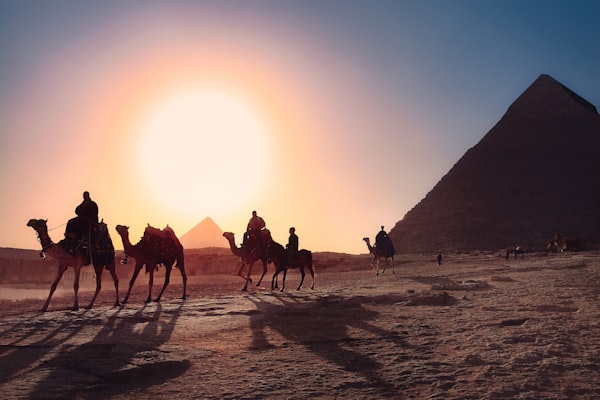
The Great Pyramid of Khufu (2560 BC) is the only surviving structure of the original Seven Wonders of the Ancient World. Built from 2.3 million stone blocks averaging 2.5 tonnes each over approximately 20 years, it stood 146.5 metres tall and was the world's tallest human-made structure for nearly four millennia. The adjacent Great Sphinx — 73 metres long, carved from a single limestone outcrop — has guarded the Giza plateau for 4,500 years. Standing in front of these monuments at sunrise, when the light turns everything golden and the desert silence is broken only by the wind, is one of the most profound travel experiences available to any human being. Travellers from Ahmedabad, Jaipur, Noida, Surat, Chandigarh, Lucknow, Indore, and Pune consistently rate it as the most life-changing place they have ever visited.
The Egyptian Museum in Cairo houses the world's largest collection of ancient Egyptian artefacts — over 120,000 objects spread across 107 halls. The undisputed star is the Tutankhamun Gallery: the golden funerary mask (11 kg of solid gold) of the young pharaoh who died aged 19 in 1323 BC is perhaps the most recognisable object in all of human art history. The Royal Mummies Hall displays over 20 actual pharaohs including Ramesses II (who ruled for 66 years to age 90), their faces preserved by 3,000-year-old embalming techniques. The new Grand Egyptian Museum near the Pyramids (inaugurated 2023) is now one of the world's largest archaeological museums.
A Nile cruise between Luxor and Aswan (or reverse) is the classical way to experience Upper Egypt's temple corridor. Sailing at 5 knots past papyrus marshes, mud-brick villages unchanged for millennia, and children waving from the riverbank, travellers reach temple after temple that would be world-famous destinations on their own: Edfu (the best-preserved temple in Egypt, dedicated to the falcon-god Horus), Kom Ombo (the double-temple of Sobek the crocodile god and Haroeris, with a mummified crocodile on display), and the awe-inspiring Karnak and Luxor complexes. The cruise ship becomes your floating hotel — gourmet meals, rooftop sundeck, and waking up each morning to a new temple on the riverbank.
Luxor (ancient Thebes) was Egypt's capital during the New Kingdom (1550–1070 BC) and is today called the world's greatest open-air museum. The Valley of the Kings holds 63 royal tombs, including KV62 (Tutankhamun) — discovered by Howard Carter in 1922 with all its treasures intact, triggering Egyptomania worldwide. The tomb paintings in Ramesses VI's burial chamber are among the most vivid ancient artworks ever preserved. Karnak Temple — dedicated to the Amun-Ra triad — spreads over 200 acres; its Hypostyle Hall of 134 columns (the tallest at 21 metres) creates a forest of stone that makes you feel impossibly small.
Deep in southern Egypt near the Sudanese border, Abu Simbel is one of the world's most dramatic archaeological sites. Pharaoh Ramesses II (1279–1213 BC) carved two temples directly into a sandstone cliff: four colossal 20-metre statues of himself guard the entrance. The temple's inner chamber is aligned so that sunlight penetrates 60 metres to illuminate the statues of the gods on exactly two days per year: 22 February (Ramesses's coronation) and 22 October (his birthday). Between 1964–1968, in one of history's greatest engineering feats, UNESCO moved the entire temple block by block to higher ground to save it from the rising waters of Lake Nasser — a modern act of preservation to match an ancient act of creation.
Dating from 1382 CE, Khan el-Khalili in Islamic Cairo is one of the oldest bazaars in the world. Its labyrinthine alleys sell gold and silver jewellery, hand-blown glass, papyrus scrolls, alabaster figurines, spices, perfume oils, and cartouche pendants (your name in ancient hieroglyphs). The al-Fishawi café — open continuously since 1773 — serves thick Egyptian coffee and mint tea to an endless flow of locals and travellers. Negotiating here is both expected and required; the first price is always three times the real price.
Get a customised Egypt itinerary in 2 hours via WhatsApp
Packages from ₹64,999 per person
Flights · Hotels · Nile Cruise · Tours
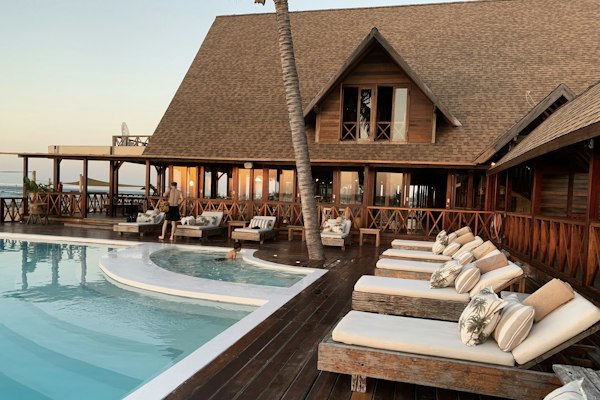
Central Cairo near Egyptian Museum; excellent connectivity and value for money
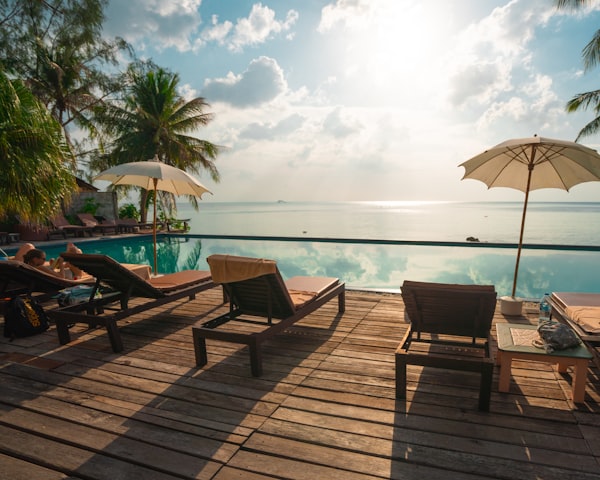
Nile-view rooms, rooftop terrace; walking distance to Luxor Temple
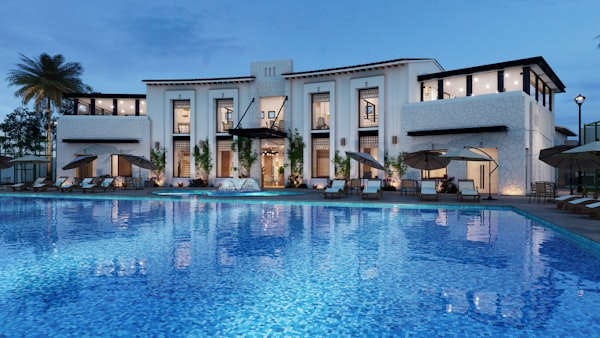
Historic 1869 palace with direct Pyramid views from the garden and pool — extraordinary
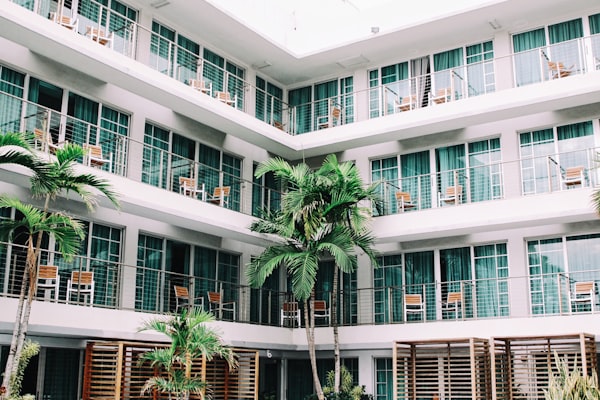
1886 colonial palace; Agatha Christie wrote here; gardens facing the Nile
Iconic Nile-view luxury; rooftop pool overlooking Cairo skyline and the Nile
Intimate 5-star cruise ship with butler service; the finest way to sail the Nile

Cool 20°C; peak season; crowds at sites
Abu Simbel solar alignment (22 Feb)
Warming up; still very comfortable
25–30°C; Khamsin (sandstorm) risk
Getting very hot (35°C+); fewer tourists
40°C+ in Luxor/Aswan; avoid
Extreme heat; only for budget hunters
Hottest month; great deals available
Cooling; fewer visitors; good value
Abu Simbel alignment (22 Oct); 28°C
Perfect 25°C; ideal Nile cruise season
Cool, sunny; peak holiday bookings
Indian nationals must obtain an Egypt e-Visa before travel (USD 25, applied online at visa2egypt.gov.eg). Processing takes 2–5 working days. Luxytrix will assist you through the application at booking time. Visa on arrival is also available at Cairo airport but e-Visa is faster and avoids queues.
Visit Pyramids and outdoor temples before 10 AM and after 4 PM. The midday desert sun at Giza, Karnak, and Valley of the Kings is brutal (40°C+ in summer). Always carry water (2L/person minimum), wear a hat, and apply SPF 50. Light cotton long sleeves protect better than bare skin in desert sun.
Baksheesh (tipping) is a deeply embedded Egyptian custom. Budget EGP 100–200 per day for your guide, EGP 50–100 for drivers, and EGP 20–50 for hotel staff. At temples, "guards" may offer to show you extra areas — tip EGP 50 if you accept. At Khan el-Khalili, quote 1/3 of the first asking price as your opening offer.
Only drink bottled water — never tap. Egyptian cuisine is excellent: ful medames (fava beans), koshari (Egypt's national dish — lentils, rice, pasta, tomato sauce, crispy onions), molokhia (green leafy soup), and fresh Egyptian bread are safe and delicious. Avoid unpeeled raw vegetables at non-tourist restaurants.
Egypt is a Muslim-majority country. Dress modestly (covered shoulders and knees) at mosques, souqs, and Coptic churches. Sleeveless tops and shorts are accepted at hotel pools and Nile cruise decks, but keep a light wrap for temple visits. Women do not need to cover hair but a scarf is appreciated at mosques.
A sunrise hot air balloon over the West Bank of Luxor — floating at dawn above the Valley of the Kings, Hatshepsut Temple, and the Nile — is one of travel's truly transcendent experiences. Cost: USD 60–80 per person. Book through Luxytrix as an add-on. Fly only with CAA-licensed operators for safety.
Standing in front of the Great Pyramid with my family was the most overwhelming moment of my life. I studied about it in school but nothing prepares you for the sheer scale. Luxytrix gave us the best guide — he made everything come alive. Completely worth every rupee!
The Nile cruise was the highlight — waking up each morning to a different temple on the riverbank. Karnak at sunset made me cry, it was so beautiful. The Egyptologist guide Luxytrix arranged for us was exceptional — so much knowledge and passion.
Went with 8 friends on the 9N/10D Grand Tour. Abu Simbel was absolutely staggering — Ramesses II's ego in stone. The hot air balloon over the Valley of the Kings at sunrise was the single greatest travel experience any of us had ever had. Book Luxytrix — they're flawless.
Solo woman traveller — Egypt was safe, welcoming, and endlessly fascinating. The valley of the kings alone deserves a week. Khan el-Khalili bargaining was hilarious fun. Luxytrix's 24/7 WhatsApp support gave me complete peace of mind the whole trip.
Yes. Indian passport holders require a visa for Egypt. The most convenient option is the Egypt e-Visa (USD 25), applied online at visa2egypt.gov.eg. Processing takes 2–5 working days. You can also get a visa on arrival at Cairo International Airport (USD 25, queue required). Luxytrix will guide you through the e-Visa application at time of booking.
Egypt's main tourist corridor (Cairo, Giza, Luxor, Aswan, Abu Simbel, Red Sea) is considered safe for tourists and receives millions of international visitors annually including many Indians. Tourist police are present at all major sites. Standard precautions apply: stay in groups at night, use licensed guides and transport, avoid political demonstrations, and follow your Luxytrix guide's advice at all times.
Egyptian Pound (EGP). As of 2024, approximately ₹100 = EGP 42–45. USD is widely accepted at hotels, tour operators, and major sites. Exchange money at official banks or hotel exchange counters — avoid street money changers. ATMs in Cairo and tourist cities dispense EGP. Carry small notes for tipping (baksheesh) throughout your trip.
Yes. Tickets to enter the interior of the Great Pyramid of Khufu are available (limited per day, sold at the site). The interior consists of ascending passages and the empty King's Chamber — it is narrow, hot, and requires bending through some passages. It is not recommended for claustrophobics or those with mobility issues. The experience of standing inside is genuinely profound even if the chamber itself is bare. Book early as tickets sell out.
For the Cairo–Luxor–Aswan route, domestic flights (1 hour) are by far the most efficient and Luxytrix includes these in all packages. The overnight sleeper train Cairo–Luxor (9 hours) is a budget-friendly alternative with an authentic experience. For Luxor–Aswan, the Nile cruise is the most romantic option (4 days of sailing). Road travel is generally avoided for long distances in Egypt due to time and safety considerations.
Yes, Egypt has excellent vegetarian options. Koshari (Egypt's national dish — rice, lentils, pasta, tomato sauce, crispy onions) is vegan. Ful medames (cooked fava beans with oil and lemon) is a breakfast staple. Hummus, baba ganoush, falafel, Egyptian salads, and fresh bread (aish baladi) are all vegetarian. Most restaurants understand vegetarian requests. Luxytrix will brief all hotels and guides about vegetarian requirements for Indian travellers.